What I learned from 50 terrible client kickoffs
What I learned from 50 terrible client kickoffs
I’ve been freelancing for about 8 years now. In that time, I’ve had maybe 10 projects that started smoothly. The rest? A mess of miscommunication, missing assets, and “I thought you already had that.”
Here’s what I’ve learned the hard way.
Ask for everything upfront (yes, everything)
Early in my career, I’d start projects with just a brief and a handshake. I’d figure out what I needed as I went. Terrible idea.
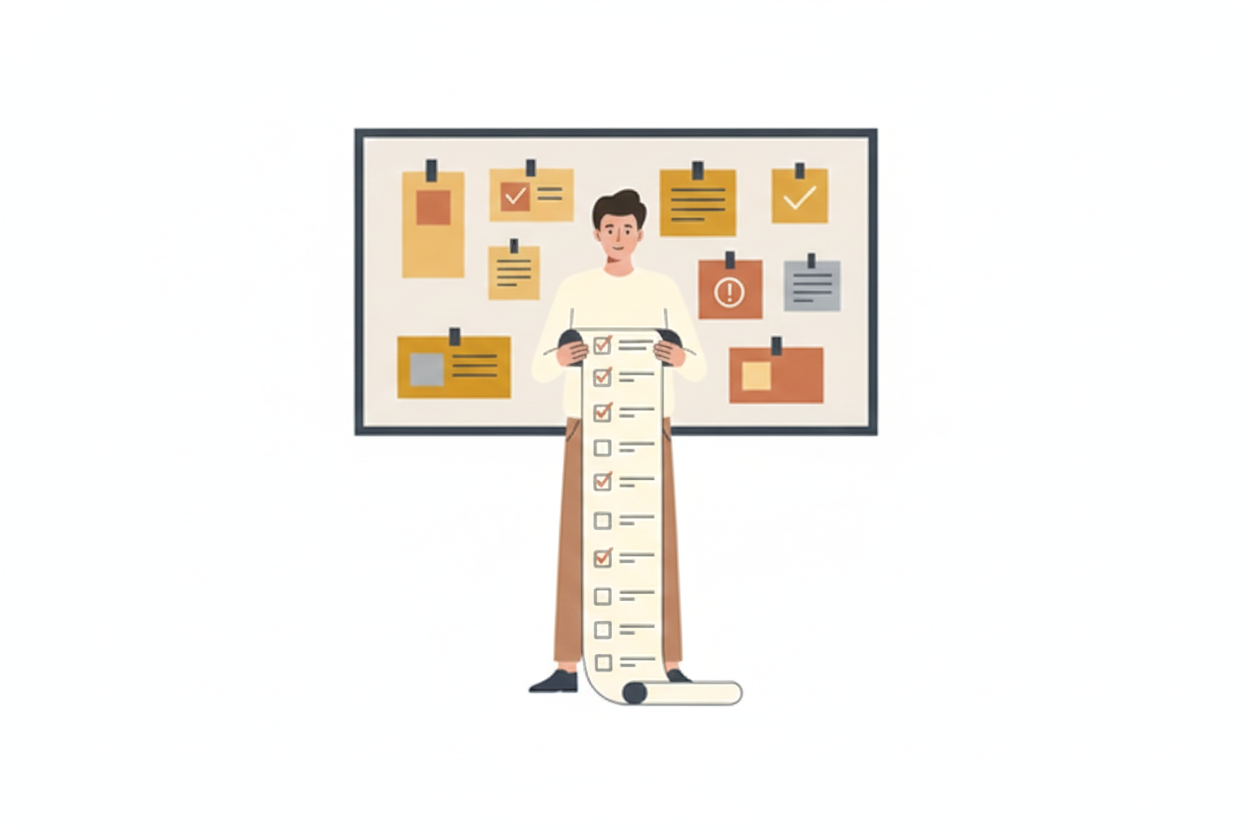
Now I have a checklist. Brand guidelines. Logos in vector format. Competitor examples they like (and hate). Who signs off on what. Access credentials. The works.
Does it feel like a lot to ask before work starts? Maybe. But it’s way less awkward than pausing a project two weeks in because you’re still waiting on the CEO to approve the color palette.
Put it in writing, even the obvious stuff
“We discussed this on the call” is not documentation.
I once had a client insist we’d agreed on unlimited revisions. We hadn’t — but I had no email to point to. Now everything goes in writing. Scope, timeline, what happens if they ghost for three weeks, all of it.
It’s not about being paranoid. It’s about making sure everyone remembers the same thing.
Make it stupidly easy for clients
Your clients are busy. They have a hundred things on their plate, and your project — sorry to say — probably isn’t number one.
So remove friction. Don’t make them download an app. Don’t send five different links. Don’t ask them to “just pop it in the shared drive when you get a chance.”
One link. One place. Clear instructions. That’s it.
The 48-hour rule
If a client hasn’t responded in 48 hours, something’s wrong. Maybe they’re swamped. Maybe they’re confused by what you asked. Maybe they’ve gone dark and you won’t hear from them for a month.
Follow up. A short, friendly nudge. “Hey, just checking if you got my last message” works fine. Don’t let things drift.
You’re going to mess this up sometimes
Even with all these “best practices,” things go sideways. Clients change their minds. Timelines slip. Misunderstandings happen.
The goal isn’t perfection. It’s having a process that catches problems early, before they turn into project-killing disasters.
We built equest to make the intake part easier. It won’t solve everything — but it helps.